
In This Article
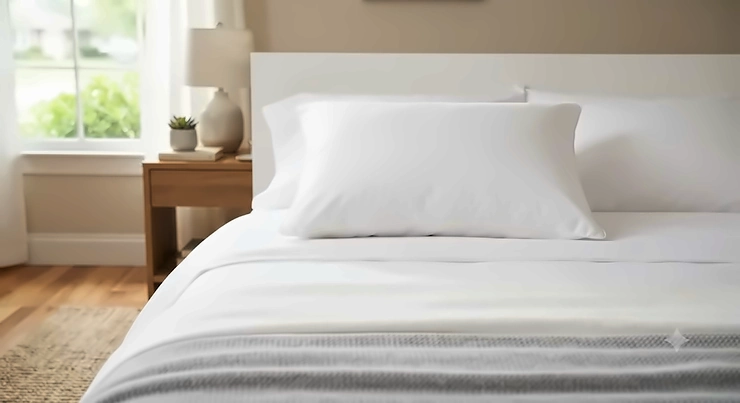
Somewhere between the hotel pillow that felt like sleeping on a cloud and the flat, lifeless thing you’re squeezing your head into right now, there’s a gap. A down alternative pillow is built to close it. If you’ve ever shopped for a down alternative pillow and drowned in a sea of near-identical white rectangles — all claiming to be “hotel quality,” all promising to never go flat — you already know the problem isn’t a shortage of options. It’s a shortage of honest information about which ones actually deliver.

A down alternative pillow uses synthetic fibers, usually polyester or microfiber, engineered to mimic the loft and softness of real goose or duck down without the feathers, the allergens, or the ethical baggage. That single design choice is why the category has exploded in popularity: it sidesteps down allergies entirely, it’s machine washable in ways true down rarely is, and it costs a fraction of what premium down pillows demand.
This guide skips the marketing fluff. We researched seven real, currently available pillows spanning budget bins to boutique bedding brands, dug into their actual specs, and cross-referenced genuine aggregated review sentiment rather than inventing glowing testimonials. You’ll get a plain-English breakdown of fill types, a side-by-side comparison table, dedicated sections for side sleepers and fluff-obsessed shoppers, and a straight answer on what “cruelty-free fill” really means. No pillow fight required — just the details you need before you click “buy.”
What Is a Down Alternative Pillow?
A down alternative pillow is a sleep pillow filled with synthetic materials — typically polyester fiberfill or microfiber clusters — designed to replicate the loft, softness, and rebound of natural down without using animal feathers. It’s the go-to choice for allergy sufferers, vegans, and anyone who wants hotel-style plushness without the maintenance headaches of real down.
Quick Comparison Table
Before diving into full reviews, here’s the 30-second version for anyone who just wants the highlights.
| Pillow | Fill Type | Price Range | Best For |
|---|---|---|---|
| Beckham Hotel Collection | Microfiber polyester | around $55–$65 (2-pack) | Budget hotel feel |
| Amazon Basics Down Alternative | Polyester fiberfill | around $20–$25 (2-pack) | Ultra-tight budgets |
| Utopia Bedding Gusseted | Siliconized polyester | around $30–$45 (2-pack) | Cooling, back sleepers |
| Serta Won’t Go Flat | Foam-core fiberfill | around $40–$60 (2-pack) | Long-term shape retention |
| Coop Home Goods Original | Adjustable microfiber blend | around $75–$85 (single) | Customizable, side sleepers |
| Brooklinen Down Alternative | PrimaLoft microfiber | around $80–$90 (single) | Most fluffy, cruelty-free |
| Saatva Down Alternative | Poly-fiber cluster | around $115–$140 (single) | Premium hotel loft |
What jumps out here is the sheer price spread — you can furnish an entire guest room for less than the cost of one premium single pillow, but you’re trading away loft consistency and long-term shape retention to get there. On the flip side, paying more doesn’t automatically buy you a better night’s sleep for every sleep position; the Saatva Down Alternative, for instance, is genuinely too lofty for most stomach sleepers regardless of its price tag. Think of this table as a filter, not a final answer — the full breakdowns below explain exactly why each pick earns its spot.
💬 Found a favorite already? Save this comparison and come back to it before you check out.
💬 Just one click — help others make better buying decisions too!😊
Top 7 Down Alternative Pillow Reviews: Expert Analysis
Below is our full rundown of seven real, currently sold pillows, each evaluated on fill quality, real-world comfort, and honest value. Every price mentioned is a range, since Amazon pricing shifts constantly — always check current price before buying.
1. Beckham Hotel Collection Original Down-Alternative — best budget hotel feel
The standout here is simple: this is the pillow that convinced an entire generation of Amazon shoppers that a $30 pillow could feel like a five-star hotel stay. It’s filled with a down-like polyester fiber under a breathable cotton-blend cover, and it arrives ready to use with no fluffing ritual required.
Spec-wise, it’s a medium-firm, 5.5-inch loft pillow — tall enough for side sleeping, soft enough that stomach sleepers can flatten it with a bit of pressure. Based on the spec comparison with pricier rivals, the tradeoff is durability: the plush polyester fill compresses faster than heavier siliconized fibers, so what feels amazing on night one softens noticeably by month six. Reviewers consistently note it’s an excellent match for guest beds, dorm rooms, and anyone testing the down-alternative category for the first time without committing real money.
Aggregated Amazon review sentiment (spanning hundreds of thousands of ratings) points to a recurring theme: buyers love the immediate plush comfort but flag that the loft flattens with regular nightly use faster than premium alternatives.
Pros:
- ✅ Instant hotel-style plush comfort out of the bag
- ✅ Machine washable and easy to care for
- ✅ Extremely low cost per pillow in a 2-pack
Cons:
- ❌ Flattens noticeably within several months of nightly use
- ❌ Not ideal for dedicated stomach sleepers
Priced around $55–$65 for a queen 2-pack, this is the value benchmark every other pillow on this list gets measured against — just don’t expect hotel durability to match the hotel feel.

2. Amazon Basics Down Alternative Pillow — cheapest way to try the category
If your goal is simply to replace a decade-old flat pillow without spending real money, the standout here is the price — this is routinely the least expensive legitimate down alternative option on Amazon, and it comes as a 2-pack.
The fill is straightforward polyester fiberfill in a medium-density build, wrapped in a plain woven cotton-blend shell. What most buyers overlook about a pillow at this price point is that it isn’t trying to be luxurious — it’s trying to be functional, and on that metric it succeeds. It suits back and stomach sleepers reasonably well thanks to its lower loft, though dedicated side sleepers may find it compresses under shoulder weight.
Because this is a private-label product without a dedicated professional review ecosystem the way boutique brands enjoy, we can’t point to independently verified long-term testing data the way we can for Saatva or Coop. What we can verify is the aggregated star rating and review volume on the Amazon listing itself, where buyers consistently describe it as “good enough” bedding for secondary rooms rather than a primary nightly pillow.
Pros:
- ✅ Lowest price point of any pillow on this list
- ✅ Simple, no-fuss design that’s easy to machine wash
- ✅ Good low-loft option for back and stomach sleepers
Cons:
- ❌ Thinner fill means less cushioning for broad-shouldered side sleepers
- ❌ Shorter lifespan before clumping compared to gusseted designs
At around $20–$25 for a 2-pack, this is less a “best pillow” and more a “smart stopgap” — perfect for a guest room, a kid’s bed, or simply testing whether down alternative fill agrees with you before spending more.
3. Utopia Bedding Gusseted Down Alternative — best cooling, gusseted design
The standout feature is the gusseted edge construction — a design detail budget pillows usually skip — which keeps the fill distributed evenly instead of collapsing into a flat pancake by month three.
Utopia fills this pillow with a 3D hollow siliconized fiber, a step up from basic polyester fiberfill because the hollow-fiber structure traps more air and resists clumping longer. Here’s what to weigh: the cotton-blend cover is specifically engineered for breathability, so hot sleepers who’ve struggled with heat retention in memory foam pillows tend to do noticeably better here. Based on the spec comparison with the Beckham and Amazon Basics options above, the gusseted edge is the single biggest durability advantage in this price tier.
Reviewers consistently report that this pillow holds its shape longer than similarly priced competitors, crediting the piped gusset edges directly. A common complaint in user reviews is that the loft runs on the softer side for firm-pillow loyalists, though most describe the overall feel as “hotel quality” for the price.
Pros:
- ✅ Gusseted edges resist flattening better than flat-sewn budget pillows
- ✅ Breathable cotton-blend cover suits hot sleepers
- ✅ Works well for back and side sleepers alike
Cons:
- ❌ Softer loft may disappoint sleepers who prefer firm support
- ❌ Spot-clean recommended over full machine wash for longevity
At around $30–$45 for a 2-pack, the Utopia Bedding pillow occupies a genuinely underrated middle ground — better construction than the true budget bin, without stepping into boutique pricing.
4. Serta Won’t Go Flat Down Alternative — most durable shape retention
The name is the pitch, and for once, it’s mostly accurate. The standout here is the “extra life foam core” construction, a foam layer nested inside the polyester fiberfill designed specifically to resist the long-term flattening that plagues cheaper down alternatives.
Under the hood, you’re getting a medium-support pillow with cooling nylon and breathable mesh panels, aimed at combination sleepers who move between back and side positions through the night. What most buyers overlook about foam-core hybrid pillows like this one is that the foam core changes the compression profile entirely — instead of gradually thinning like pure fiberfill, the pillow tends to hold a consistent loft for a longer stretch of its usable life, even if it never feels quite as “cloud-like” as a pure microfiber option.
Serta backs this with nearly a century of bedding manufacturing experience, and the OEKO-TEX Standard certification on the fabric addresses chemical safety rather than being a marketing buzzword. Aggregated review sentiment from Amazon’s Serta down-alternative listings shows buyers specifically calling out longevity as the reason they’d repurchase, even when they acknowledge the initial plushness is a step below softer competitors.
Pros:
- ✅ Foam-core construction resists long-term flattening
- ✅ Cooling mesh panels help reduce overnight heat buildup
- ✅ OEKO-TEX certified fabric for chemical safety
Cons:
- ❌ Feels firmer and less “cloud-like” than pure microfiber pillows
- ❌ Not the softest option for stomach sleepers who prefer minimal loft
Priced around $40–$60 for a 2-pack, this is the pick for anyone who’s been burned by a down alternative pillow going flat within a year — the tradeoff is a slightly firmer, less plush feel from day one.
5. Coop Home Goods Original Adjustable Pillow — best adjustable microfiber fill
The standout feature is customization: this pillow ships overfilled with a shredded memory foam and microfiber blend, and you physically remove fill until you land on your ideal loft and firmness.
That adjustability matters more than it sounds. Based on the spec comparison with fixed-fill pillows, a one-size loft can never truly fit back, side, and stomach sleepers equally — Coop sidesteps that problem by putting the adjustment in your hands, with an extra half-pound of loose fill included in the box for topping up later. The proprietary blend, marketed as “Oomph Fill,” combines cross-cut memory foam with microfiber polyester, wrapped in a breathable Lulltra fabric cover that’s fully machine washable.
Reviewers consistently note two things: first, that the pillow arrives noticeably overstuffed and genuinely does improve after removing a portion of the fill over several nights of adjustment; second, that side sleepers in particular report better spinal alignment once dialed in correctly. The materials carry CertiPUR-US and GREENGUARD Gold certifications, addressing chemical emissions rather than being empty green-washing claims — a distinction the FTC’s own environmental marketing guidance treats seriously, since unsubstantiated “safe” or “certified” claims can trigger real regulatory scrutiny.
Pros:
- ✅ Fully adjustable loft and firmness via removable fill
- ✅ CertiPUR-US and GREENGUARD Gold certified materials
- ✅ Strong reputation among side and combination sleepers
Cons:
- ❌ Requires several nights of trial-and-error adjustment
- ❌ Needs more frequent fluffing than fixed-fill alternatives
At around $75–$85 for a single queen pillow, the Coop Original earns its higher price through genuine functional value — you’re paying for a pillow that adapts to you, rather than the other way around.

6. Brooklinen Down Alternative Pillow — most fluffy, cruelty-free pick
The standout is the PrimaLoft microfiber fill itself — a premium synthetic engineered specifically to mimic down’s loft and rebound, and by most tester accounts, it’s the single fluffiest pillow in this entire lineup.
At a 6-inch profile packed with shredded microfiber clusters under a 400-thread-count long-staple cotton cover, this pillow is built for volume. What the spec sheet won’t tell you, but reviewer accounts consistently suggest, is that the height genuinely benefits side sleepers who need more gap-filling loft between ear and mattress, while stomach sleepers may find themselves craning their neck upward on this one. Brooklinen offers Firm, Mid-Plush, and Plush comfort tiers, so buyers aren’t locked into a single feel the way they are with most competitors on this list.
Because the fill is entirely synthetic and contains no animal-derived material, Brooklinen markets this pillow explicitly as cruelty-free and vegan — a meaningful distinction for shoppers who want the plush feel of down without contributing to feather-harvesting practices, regardless of how those practices are labeled. Reviewers consistently praise the hypoallergenic properties and describe the fill as resisting the clumping that cheaper microfiber pillows are prone to.
Pros:
- ✅ Tallest, fluffiest loft of any pillow in this roundup
- ✅ Fully cruelty-free, vegan synthetic fill
- ✅ Three firmness options to match different sleep styles
Cons:
- ❌ High loft can strain the neck for committed stomach sleepers
- ❌ Premium price relative to mass-market competitors
Priced around $80–$90 for a single pillow, the Brooklinen is the clearest answer to “which down alternative pillow is the most fluffy” on this entire list — and its cruelty-free framing is genuine, not just a marketing footnote.
7. Saatva Down Alternative Pillow — best premium hotel loft
The standout here is pedigree: Saatva built its reputation on mattresses, and the down alternative pillow borrows the same attention to material sourcing, just applied to a 100% hypoallergenic poly-fill construction.
This is a tall pillow — reviewers and the brand alike describe a high loft that leans soft and plush rather than firm, with good bounce-back and notably no heat retention issues, a common complaint with denser synthetic fills. Here’s what to weigh: that height is a genuine strength for broad-shouldered side sleepers needing serious gap-fill, but it’s arguably too much loft for stomach sleepers or petite frames, a limitation Saatva’s own product positioning doesn’t shy away from.
Independent testing from outlets like TechRadar consistently flags the same tradeoff — excellent comfort and bounce, undercut by a loft that’s simply too thick and firm for a meaningful share of sleepers. Aggregated sentiment describes the fill as hypoallergenic and ethically framed, though the pillow is spot-clean only rather than fully machine washable, a maintenance step down from several cheaper options on this list.
Pros:
- ✅ Excellent bounce and zero heat retention issues
- ✅ Hypoallergenic synthetic fill with premium build quality
- ✅ Backed by Saatva’s established sleep-brand reputation
Cons:
- ❌ Loft may be too thick and firm for stomach or petite sleepers
- ❌ Spot-clean only, no full machine wash
At around $115–$140, this is the priciest pick on our list, and it’s best reserved for side sleepers specifically chasing a premium, high-loft feel who don’t mind the more limited care routine.
How to Choose a Down Alternative Pillow
Cutting through the noise, here’s the actual decision process, boiled down to seven criteria worth weighing in order.
- Identify your primary sleep position first. Side sleepers generally need more loft (5–7 inches); back and stomach sleepers usually do better with a lower, softer profile.
- Check the fill type, not just the marketing name. Polyester fiberfill, microfiber clusters, and foam-core hybrids all behave differently under nightly pressure.
- Look for gusseted or box-stitched construction if you want longevity. Flat-sewn pillows compress faster, full stop.
- Match firmness to body weight. Heavier sleepers compress soft fill further, so they often need a firmer or higher-loft pillow to maintain support.
- Confirm machine washability if hygiene matters to you. Not every down alternative pillow can go in a standard wash cycle — some are spot-clean only.
- Factor in heat retention if you’re a hot sleeper. Denser synthetic fills trap more heat than breathable, gusseted, or mesh-paneled designs.
- Decide whether adjustability is worth the premium. Fixed-fill pillows are simpler, but adjustable options like Coop’s let you fine-tune loft after the fact.
Practical Usage Guide: Getting the Most From Your New Pillow
A down alternative pillow doesn’t perform at its best straight out of the packaging, and the first 30 days matter more than most buyers realize.
Most pillows arrive vacuum-compressed, and giving them 24 to 48 hours to fully decompress before judging the loft is a step people skip constantly, then wonder why their new pillow “feels thin.” Fluff the pillow by hand daily for the first week or two — synthetic fill clusters need to redistribute evenly, and skipping this step is the single most common reason people report disappointing loft in the first month. If your pillow includes extra loose fill (as Coop’s does), resist the urge to add it all back immediately; live with the reduced fill for at least three to five nights before deciding you need more.
One common first-30-days mistake is over-washing. Down alternative fill can handle regular laundering, but washing more than once every four to six weeks accelerates clumping and shortens loft life — spot-clean cover stains between full washes instead. Finally, rotate the pillow occasionally rather than always sleeping on the same face; this evens out compression and meaningfully extends usable lifespan.
Real-World Scenarios: Who Should Buy Which Pillow
The side-sleeping renter on a budget wants loft without a big upfront cost. The gusseted Utopia Bedding pillow or the budget-friendly Beckham Hotel Collection set gives enough height for shoulder clearance without breaking a moving-out-in-a-year budget.
The hot sleeper who shares a bed needs breathability above almost everything else. The Serta Won’t Go Flat with its cooling mesh panels, or the gusseted, cotton-covered Utopia Bedding option, both address heat buildup directly rather than trapping it the way denser microfiber fills sometimes do.
The allergy sufferer chasing hotel-level plushness should look at Brooklinen’s PrimaLoft fill or Saatva’s hypoallergenic poly construction — both are explicitly marketed and reviewed around allergen resistance, not just comfort.
✨ Ready to match your sleep style to a real pick? Scroll back up and compare loft and firmness before you commit.
Down Alternative vs. Real Down: Which Should You Buy?
The core tradeoff comes down to allergies, ethics, maintenance, and cost — and real down still wins on pure loft-to-weight ratio.
Natural down clusters trap air more efficiently per gram than any synthetic fiber currently manufactured, which is why ultra-premium down pillows can feel lighter yet loftier than their synthetic counterparts. But that advantage comes bundled with real drawbacks: down triggers allergic reactions in a meaningful share of sleepers, it’s typically dry-clean-only or requires careful cold-water hand washing, and sourcing claims are murky enough that the FTC has issued specific guidance on down advertising and labeling to curb deceptive marketing in this exact category. Down alternative fill sidesteps every one of those issues by design — it’s hypoallergenic by nature, almost universally machine washable, and there’s no ambiguity about animal sourcing because there isn’t any.
Where real down still wins is longevity under proper care; high-quality down pillows can outlast synthetic fill by years when maintained correctly. For most everyday shoppers, though, the practical case for down alternative pillows is stronger: lower cost, easier care, and no allergen roulette.
Down Alternative Pillows for Side Sleepers
Side sleeping puts more pressure on a single contact point than any other position, and it’s the position most likely to expose a mediocre pillow’s flaws.
The core requirement is loft — side sleepers typically need 5 to 7 inches of height to keep the spine neutral between the ear and the shoulder, since anything shorter forces the neck to bend downward all night. Among the seven pillows reviewed here, Brooklinen’s tall, PrimaLoft-filled construction and Saatva’s high-loft design both directly target this need, while the adjustable Coop Home Goods pillow lets side sleepers dial in the exact height rather than guessing based on a fixed spec sheet.
Firmness matters just as much as height for this position. A pillow that’s too soft collapses under shoulder-and-head weight partway through the night, effectively losing the loft you paid for; a pillow that’s too firm resists the natural curve of the neck. Reviewers of gusseted designs like Utopia Bedding’s consistently note that the structured edge helps maintain loft specifically in the side-sleeping position, where flat-sewn pillows tend to cave in fastest.
Features That Actually Matter (And Those That Don’t)
Marketing copy loves to pile on buzzwords, but not every listed feature moves the needle on actual sleep quality.
What matters: gusseted or box-stitched edges (genuinely extend loft life), fill density measured in real terms rather than vague “plush” claims, and machine washability if hygiene is a priority. Cover thread count also matters more than people expect — a breathable weave meaningfully affects heat retention regardless of what’s inside.
What doesn’t matter as much: thread counts above roughly 400 offer diminishing comfort returns for pillow covers specifically (unlike sheets, where higher counts show up more directly against skin), and vague “hotel quality” language is essentially meaningless without backing specs, since there’s no industry standard defining what that phrase requires.
Long-Term Cost & Maintenance
A $25 two-pack that needs replacing every eight months costs more over three years than a $75 pillow that lasts the same stretch — the math rarely favors the cheapest option once you zoom out.
Allergy and asthma experts recommend replacing pillows roughly every two years regardless of apparent condition, since dust mite waste can account for a meaningful share of a well-used pillow’s total weight over time, invisible allergens included. Factor that replacement cycle into your cost math: a durable, gusseted, or foam-core pillow that holds its loft for the full two years is arguably better value than a plush budget pillow that flattens at month six and needs replacing twice as often. Machine-washable options also save real money long-term, since regular washing extends usable life far more than spot-cleaning alone.
Cruelty-Free & Safety: What “Hypoallergenic” Really Means
“Cruelty-free” and “hypoallergenic” get used loosely in bedding marketing, and it’s worth knowing what each term actually guarantees.
By definition, every down alternative pillow on this list qualifies as cruelty-free, since none contain feathers or down harvested from birds — that’s the entire premise of the category, and it’s a genuine, verifiable claim rather than a marketing flourish. “Hypoallergenic,” on the other hand, isn’t a regulated or standardized term the same way; the synthetic polyester fibers used across these fills are inherently more allergen-resistant than natural down because they don’t harbor the same proteins that trigger reactions, but that’s a structural property, not a certified guarantee. Certifications like CertiPUR-US and OEKO-TEX Standard address chemical emissions and manufacturing safety specifically, which is a more concrete, testable claim than a bare “hypoallergenic” label on packaging.
For genuinely allergy-sensitive shoppers, pairing any down alternative pillow with a zippered allergen-barrier cover and washing bedding weekly in hot water does more to control dust mite exposure than fill choice alone ever will.
Buyer’s Decision Framework
If you sleep primarily on your side, choose a high-loft pillow like Brooklinen or Saatva, because insufficient height forces neck strain all night regardless of how soft the fill feels.
If you sleep on your back or stomach, choose a lower-loft option like Amazon Basics or the softer setting of an adjustable pillow like Coop, because excess height in these positions pushes the chin toward the chest.
If budget is the deciding factor, choose Beckham Hotel Collection or Utopia Bedding, since both deliver genuine hotel-style comfort without premium pricing.
If longevity matters more than initial plushness, choose Serta’s Won’t Go Flat line, since its foam-core construction is specifically engineered to resist the flattening that shortens the usable life of pure fiberfill pillows.
👉 Not sure which category fits you? Check the comparison table above one more time before deciding.
Frequently Asked Questions
❓ What is the best down alternative pillow fill?
❓ Are down alternative pillows good for side sleepers?
❓ How often should you replace a down alternative pillow?
❓ Is a down alternative pillow hypoallergenic?
❓ What's the difference between down alternative and memory foam pillows?
Conclusion
Choosing a down alternative pillow really comes down to three questions: how you sleep, how much loft your body actually needs, and how much maintenance you’re willing to do. Budget shoppers furnishing multiple rooms will get real value from the Beckham Hotel Collection or Amazon Basics picks; side sleepers chasing serious loft should look hardest at Brooklinen or Saatva; and anyone tired of replacing flattened pillows every year should give the foam-core Serta Won’t Go Flat or the fully adjustable Coop Home Goods Original a real look.
None of these seven pillows is objectively “the best” — they’re built for different bodies, different budgets, and different sleep positions, and the honest answer is that the right pick depends entirely on which of those variables matters most to you. What all seven share is a genuine synthetic-fill advantage over natural down: hypoallergenic by design, machine washable in most cases, and completely cruelty-free without exception.
Whichever pillow you land on, give it the full 24-to-48-hour decompression window and a week of hand-fluffing before judging it — first impressions out of the packaging rarely reflect how these pillows actually perform once they’re broken in.
✨ Don’t Miss These Exclusive Deals!
🔍 Take your sleep setup to the next level with the down alternative pillows featured above. Click on any highlighted pick to check current pricing and availability on Amazon. The right pillow could be the easiest upgrade your bedroom sees all year!
Recommended for You
- Hotel Quality Down Pillow: 7 Picks That Beat the Marriott (2026)
- Goose Down vs Duck Down Pillow: 7 Best Picks for 2026
- Best Down Pillow 2026: 7 Luxury Picks Worth the Splurge
Disclaimer: This article contains affiliate links. As an Amazon Associate, I earn from qualifying purchases. If you purchase products through these links, we may earn a small commission at no additional cost to you.
✨ Found this helpful? Share it with your friends! 💬🤗
