
In This Article
Here’s a fact that ruins a lot of people’s morning coffee: the average pillow doubles its weight every two years from dead skin cells, dust mites, and the debris those mites leave behind. If you have asthma, that’s not just gross — it’s an eight-hour nightly exposure session happening six inches from your airways. Finding the right hypoallergenic pillow for asthma isn’t really about luxury or Instagram-worthy bedding. It’s about damage control for your lungs.

I’ve spent weeks digging through real spec sheets, aggregated review data, and third-party lab certifications to find pillows that actually deliver on their allergy claims — because “hypoallergenic” printed on a tag means almost nothing on its own. According to Forbes Vetted’s testing, the pillows that genuinely help allergy and asthma sufferers tend to share a few traits: dense, mite-resistant fill materials, tightly woven or barrier-style covers, and — ideally — machine washability that doesn’t wreck the pillow’s shape after three washes.
Below, you’ll find seven real, currently available pillows spanning budget, mid-range, and premium price points, plus a full breakdown of what actually reduces your exposure to dust mites, mold spores, and pet dander versus what’s just clever marketing copy. Let’s get into it.
Quick Comparison Table
| Pillow | Best For | Fill Type | Price Range |
|---|---|---|---|
| Avocado Green Pillow | Organic/eco-conscious sleepers | Organic latex + kapok | $80–$110 |
| Coop Home Goods Original | Adjustable, washable comfort | Shredded memory foam | $55–$80 |
| Beckham Hotel Collection Gel Pillow | Budget shoppers, 2-pack value | Gel down-alternative fiber | $30–$50 |
| Saatva Latex Pillow | Hot sleepers, all positions | Shredded Talalay latex | $160–$190 |
| Tempur-Pedic TEMPUR-Cloud Breeze | Cooling + pressure relief | TEMPUR material + gel | $150–$185 |
| Columbia Down-Alternative Allergen Barrier Pillow | Budget allergen-barrier fabric | Down-alternative gel fiber | $20–$40 |
| BreatheWell Certified Asthma & Allergy Friendly Pillow | AAFA-certified asthma protection | Polyester fiberfill | $30–$55 |
A quick glance at that table tells you something important: price doesn’t map neatly onto allergen protection. The Columbia Down-Alternative Allergen Barrier Pillow and BreatheWell Certified Asthma & Allergy Friendly Pillow sit at the bottom of the price range but carry genuine allergen-barrier engineering, while a premium pick like the Tempur-Pedic TEMPUR-Cloud Breeze earns its price tag through pressure relief and cooling rather than allergen defense specifically. If asthma control is your only priority, don’t assume the priciest option automatically wins.
💬 Found a pick you like already? Jump down to the full breakdown before you decide — the pros and cons might surprise you.
Top 7 Hypoallergenic Pillows for Asthma: Expert Analysis
1. Avocado Green Pillow — best organic hypoallergenic pillow
The Avocado Green Pillow is the closest thing in this roundup to a “clean sleep” statement piece, and it earns that reputation honestly. Its GOLS-certified organic latex and GOTS-certified organic kapok fill sit inside a quilted, GOTS-certified organic cotton cover, and the whole thing carries Greenguard Gold certification for low chemical emissions. In practice, that stack of certifications means the pillow off-gasses very little of the volatile compounds that can irritate sensitive airways — a real concern with cheaper synthetic foams. The fill is adjustable via a zippered access point and a supplied refill bag, so side sleepers can plump it up while back sleepers thin it out.
Based on the spec comparison, this is the pillow to reach for if you’ve specifically been told to avoid synthetic latex, memory foam off-gassing, or conventional cotton treated with pesticide residue. Reviewers consistently note the medium-plush feel holds its shape for years rather than flattening, and several buyers with dust mite sensitivities report noticeably less morning congestion after switching. The trade-off: latex allergies exist too, so if you react to natural rubber, this isn’t your pillow no matter how organic it is.
Pros:
- ✅ GOTS/GOLS organic certification limits chemical irritant exposure
- ✅ Adjustable fill accommodates side, back, and stomach sleepers
- ✅ Greenguard Gold certified for low off-gassing
Cons:
- ❌ Not suitable for people with natural latex allergies
- ❌ Higher price point than synthetic alternatives
At around $80–$110 depending on size, the Avocado Green Pillow isn’t the cheapest way to sleep cleaner, but for buyers prioritizing organic materials over everything else, it’s arguably the most defensible splurge on this list.

2. Coop Home Goods Original — most adjustable washable hypoallergenic pillow
What most buyers overlook about the Coop Home Goods Original is that its real party trick isn’t the shredded memory foam — it’s the interlocking dual-case system that lets you add or remove fill without voiding anything or making a mess. The outer Lulltra cover, a bamboo-derived rayon and polyester blend, is fully machine washable, and the CertiPUR-US and Greenguard Gold certifications confirm the foam itself is manufactured without the ozone depleters and heavy metals that flag as respiratory irritants in cheaper foam products.
Here’s what the spec sheet won’t tell you, but reviewers note repeatedly: this pillow runs warm for the first few nights until the memory foam breaks in, which matters if night sweats already aggravate your asthma symptoms. Once broken in, though, aggregated review sentiment across major retailers consistently flags it as one of the best all-around adjustable pillows for people who can’t find a fixed loft that works — a group that overlaps heavily with side-to-back sleepers managing chronic congestion.
Pros:
- ✅ Fully machine washable outer cover and removable fill
- ✅ CertiPUR-US and Greenguard Gold certified foam
- ✅ Adjustable loft fits nearly any sleep position
Cons:
- ❌ Runs warm during initial break-in period
- ❌ Memory foam smell may linger for the first few days
Priced around $55–$80, the Coop Home Goods Original is the pillow I’d point a budget-conscious asthma sufferer toward first if adjustability and easy washing matter more than natural materials.
3. Beckham Hotel Collection Gel Pillow — best budget two-pack
There’s a reason the Beckham Hotel Collection Gel Pillow shows up on nearly every mainstream “best pillow” list: it’s absurdly cheap for what you get, and it doesn’t skimp on the one feature that matters here — a hypoallergenic gel fiber fill that resists clumping and dust mite colonization far better than old-school feather pillows. Sold exclusively in two-packs, it delivers a plush, no-shift cotton cover that testers report rarely needs re-fluffing, which is a meaningful detail since flattened pillows compress into denser allergen traps over time.
Reviewers consistently describe the feel as hotel-quality — plush but with a supportive core — and testing from outlets like TechRadar found the fill held its shape well even after repeated washing. What most buyers overlook is that “gel fiber” here refers to a polyester fiberfill coated with a gel that aids airflow and cooling, not a memory-foam-style gel layer, so don’t expect the contouring hug of the Tempur-Pedic pick further down this list.
Pros:
- ✅ Exceptional value — two pillows for the price of one premium pillow
- ✅ Hypoallergenic gel fiber resists clumping and dust buildup
- ✅ No-shift cover construction stays put overnight
Cons:
- ❌ Too thick and firm for dedicated stomach sleepers
- ❌ Cooling performance is modest compared to true gel-infused foam
At roughly $30–$50 for the pair, the Beckham Hotel Collection Gel Pillow is the entry point I’d recommend for anyone testing whether a hypoallergenic switch even helps their symptoms before committing real money.
4. Saatva Latex Pillow — best for hot sleepers, all positions
The Saatva Latex Pillow takes a hybrid approach: a shredded Talalay latex core wrapped in down-alternative microdenier fibers, all zipped inside a washable organic cotton cover. Saatva states the latex undergoes a cleaning process to strip allergy-triggering proteins, which matters because raw natural latex can itself provoke reactions in latex-sensitive individuals — a nuance most latex pillow listings skip entirely.
Based on the spec comparison, what separates this pick from the Avocado above is temperature regulation. The open-cell structure of shredded latex breathes noticeably better than solid foam, and reviewers across independent testing panels rate it highly for combination sleepers who shift between side and stomach positions throughout the night. It comes in two loft heights, so back sleepers should choose the lower option to keep spinal alignment neutral — a detail that indirectly affects breathing, since poor neck position can restrict airway posture during sleep.
Pros:
- ✅ Naturally breathable shredded latex resists overheating
- ✅ Washable organic cotton cover; two loft height options
- ✅ Rarely needs re-fluffing and holds shape for years
Cons:
- ❌ Premium price with no adjustable fill option
- ❌ Latex core itself cannot be machine washed
Running $160–$190, the Saatva Latex Pillow sits at the upper end, but for hot sleepers whose night sweats compound their asthma symptoms, the cooling performance alone may justify the cost.
5. Tempur-Pedic TEMPUR-Cloud Breeze Dual Cooling Pillow — best cooling pick
The Tempur-Pedic TEMPUR-Cloud Breeze Dual Cooling Pillow leans on the brand’s proprietary TEMPUR material combined with a dual-sided cooling gel layer — essentially two cooling surfaces instead of the single-sided approach found on cheaper “cooling” pillows. The 100% cotton zip-off cover is machine washable, which is worth calling out because Tempur-Pedic doesn’t make every pillow in its lineup that convenient.
What the spec sheet won’t tell you, but user reports suggest, is that this pillow runs noticeably firmer than typical shredded-fill pillows — reviewers rate it highly for pressure relief on the neck and shoulders, but a subset of testers found the queen size a touch narrow for restless sleepers who move around at night. For asthma sufferers specifically, the value here isn’t allergen-barrier fabric so much as reduced night sweats and better airway-friendly neck support, both of which can indirectly ease nighttime breathing difficulty.
Pros:
- ✅ Dual-sided cooling gel meaningfully reduces night sweats
- ✅ Machine washable cotton cover
- ✅ Strong pressure relief for neck and shoulders
Cons:
- ❌ Firmer feel won’t suit sleepers who prefer plush pillows
- ❌ Premium price without dedicated allergen-barrier certification
At $150–$185, this is a pillow to buy for temperature control and support first, allergen protection second.

6. Columbia Down-Alternative Allergen Barrier Pillow — best budget allergen barrier
Don’t let the modest price fool you — the Columbia Down-Alternative Allergen Barrier Pillow is doing real structural work. Its polyester shell is engineered specifically as an allergen barrier, designed to block pollen and household allergens from settling inside the gel-fiber down-alternative fill, while the moisture-wicking finish keeps the surface from becoming a humidity trap that mold and mites love. The entire pillow is machine washable, which matters enormously here: a barrier fabric only stays effective if you can actually clean it regularly without degrading the weave.
Reviewers consistently praise the soft density for stomach and back sleepers, and at this price point, it functions as a legitimate entry-level pick rather than a compromise. The honest caveat: this is a mass-market allergen-barrier claim, not a third-party AAFA-certified one, so treat “allergen barrier protects from pollen and household allergens” as a manufacturer claim worth pairing with your own pillow protector for extra insurance.
Pros:
- ✅ Purpose-built allergen barrier fabric at a low price
- ✅ Fully machine washable for regular allergen removal
- ✅ Moisture-wicking finish discourages mold growth
Cons:
- ❌ Not independently certified by AAFA or Allergy Standards Ltd.
- ❌ Softer density may lack support for side sleepers
Priced around $20–$40, this is one of the strongest dollar-for-dollar allergen-focused picks in this entire roundup.
7. BreatheWell Certified Asthma & Allergy Friendly Pillow — best AAFA-certified pick
If you want a pillow that’s been through actual laboratory testing rather than just marketing language, the BreatheWell Certified Asthma & Allergy Friendly Pillow by Great Sleep is the one on this list carrying the real seal. It’s certified under the joint Asthma and Allergy Foundation of America and Allergy Standards Ltd. program, which requires the outer fabric to act as a proven barrier against allergen passage, remain breathable, withstand repeated washing, and contain no chemicals known to trigger asthma or allergy symptoms above set thresholds.
Reviewers consistently frame this as a “no-frills but does its job” pillow — the 300-thread-count cotton cover and Lux-Loft polyester fiberfill aren’t going to compete with the plush feel of the Tempur-Pedic or Saatva picks, but that’s not really the point. What most buyers overlook is the maintenance instruction: Great Sleep recommends machine washing every six weeks, not weekly, since over-washing can degrade the barrier weave faster than under-washing degrades allergen control.
Pros:
- ✅ Genuine third-party AAFA and Allergy Standards Ltd. certification
- ✅ Suitable for all sleep positions with adjustable-feeling fiberfill
- ✅ Machine washable cover supports long-term allergen control
Cons:
- ❌ Feel is noticeably more basic than premium latex or foam picks
- ❌ Limited size and style availability compared to bigger brands
At roughly $30–$55, the BreatheWell Certified Asthma & Allergy Friendly Pillow earns its spot here specifically because it’s certified, not just labeled.
Comparing the Full Lineup
| Pillow | Washable? | Certification | Best Sleep Position |
|---|---|---|---|
| Avocado Green Pillow | Cover only | GOTS/GOLS/Greenguard Gold | Side, back |
| Coop Home Goods Original | Yes, fully | CertiPUR-US/Greenguard Gold | All positions |
| Beckham Hotel Collection Gel Pillow | Yes, fully | None (manufacturer claim) | Side, back |
| Saatva Latex Pillow | Cover only | None specific | All positions |
| Tempur-Pedic TEMPUR-Cloud Breeze | Cover only | None specific | Side, back |
| Columbia Allergen Barrier Pillow | Yes, fully | None specific | Back, stomach |
| BreatheWell Certified Pillow | Yes, fully | AAFA/Allergy Standards Ltd. | All positions |
Looking at the table above, notice that full washability and formal certification don’t always overlap — the Coop Home Goods Original and BreatheWell Certified Asthma & Allergy Friendly Pillow are the only two picks combining both. If your asthma is triggered primarily by dust mites rather than chemical sensitivities, prioritize full washability above almost everything else, since regular hot-water washing is still the single most effective allergen-reduction tactic available to consumers.
Practical Usage Guide: Setup, Washing, and Long-Term Care
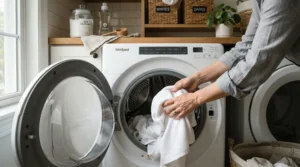
Getting a hypoallergenic pillow home is only half the job — how you set it up and maintain it determines whether it actually reduces your symptoms. Start by removing any factory packaging and letting foam-based pillows (like the Coop Home Goods Original) fully decompress for 24–48 hours before use; compressed foam can trap off-gassing odors that irritate sensitive airways if you sleep on it too soon.
For your washable pillow cover, the routine matters more than the material. Wash removable covers weekly in hot water (at least 130°F) to kill dust mites, since lower temperatures leave a meaningful percentage of mites and their allergen-producing waste intact. Pillows with a fully washable hypoallergenic pillow design, like the Beckham Hotel Collection Gel Pillow or Columbia Allergen Barrier Pillow, can go through the entire machine on a gentle cycle, but always tumble dry on low with a couple of clean tennis balls to redistribute fill evenly and prevent clumping.
A common first-30-day mistake: skipping the pillow protector. Even the best allergen-barrier fabric performs better layered under a zippered, allergen-proof protector, since it adds a second line of defense at the seams and zipper — historically the weakest points in any barrier fabric. Budget an extra $10–$15 for a quality protector; it’s the cheapest insurance in this entire guide.
Real-World Scenarios: Matching the Pillow to Your Life
Picture Maria, a nurse working rotating night shifts with mild asthma and chronic dust mite sensitivity. Her environment demands something washable enough to survive weekly hot-water cycles without falling apart — the Coop Home Goods Original or Columbia Allergen Barrier Pillow fit that lifestyle far better than a dry-clean-only latex pillow that can’t handle the wash frequency her symptoms require.
Now consider David, a college student in a shared dorm with a tight budget and a roommate’s cat triggering his asthma at night. He needs allergen protection without the premium price tag — the Beckham Hotel Collection Gel Pillow, at roughly $15–$25 per pillow in its two-pack format, lets him upgrade both his and a guest bed without straining a student budget.
Finally, think about Priya, a work-from-home professional with chemical sensitivities who reacts to synthetic foam off-gassing specifically, not just dust mites. For her, the Avocado Green Pillow‘s organic latex and kapok fill, verified by GOTS and GOLS certification, addresses the actual trigger — chemical irritants — rather than just allergen barriers, which wouldn’t solve her specific problem at all.
Buyer’s Decision Framework
If dust mites are your primary trigger, choose a fully washable hypoallergenic pillow with a machine-washable barrier cover, because weekly hot-water washing is the single most reliable intervention against mite allergens. If chemical off-gassing or synthetic material sensitivity is the concern, choose organic materials with third-party certification like GOTS, GOLS, or Greenguard Gold, since those specifically test for and limit volatile compound emissions. If you want documented, lab-tested asthma protection rather than a marketing claim, choose a pillow carrying genuine AAFA and Allergy Standards Ltd. certification. And if budget is the deciding factor above all else, prioritize any option with a purpose-built allergen-barrier fabric over an expensive pillow with no allergen-specific engineering at all — price and allergen protection, as this guide has shown, don’t automatically move together.
What Is a Hypoallergenic Pillow for Asthma?
A hypoallergenic pillow for asthma is bedding designed with materials and fabric weaves that resist dust mites, mold, and other airborne irritants known to trigger asthma symptoms during sleep. Unlike loosely regulated “hypoallergenic” marketing claims, the strongest options carry independent lab certification — like the asthma & allergy friendly Certification Program jointly run by the Asthma and Allergy Foundation of America and Allergy Standards Ltd. — confirming the fabric actually blocks allergen passage rather than merely claiming to.
How to Choose a Hypoallergenic Pillow for Asthma
- Check for third-party certification. Look specifically for AAFA or Allergy Standards Ltd. marks rather than trusting the word “hypoallergenic” alone, since it’s an unregulated marketing term as Sleep Foundation’s testing team notes.
- Prioritize washability. A pillow you can’t wash regularly can’t stay allergen-free no matter how good the initial fabric is.
- Match fill material to your specific trigger. Dust mite sensitivity calls for barrier fabric; chemical sensitivity calls for certified organic materials.
- Confirm the cover is breathable. Poor airflow traps moisture, which invites mold growth inside the very pillow meant to protect you.
- Consider your sleep position. A pillow that forces poor neck alignment can restrict airway posture, indirectly worsening nighttime breathing.
- Budget for a pillow protector. Even certified barrier fabric benefits from a second protective layer at the seams.
- Replace on a schedule. Most pillows should be replaced every 1–2 years regardless of material, since allergen accumulation increases steadily with age.
Why Organic Materials Matter for Asthma-Safe Sleep
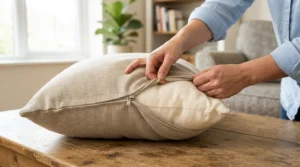
The appeal of an organic hypoallergenic pillow isn’t just aesthetic — it’s chemical. Conventional synthetic fills and treated fabrics can off-gas volatile organic compounds for months after manufacturing, and those compounds sit on a well-documented list of respiratory irritants for sensitive individuals. Organic materials certified under GOTS (Global Organic Textile Standard) or GOLS (Global Organic Latex Standard), like those used in the Avocado Green Pillow, are grown and processed without the synthetic pesticides, formaldehyde-based treatments, and flame retardants that raise concern for asthma sufferers specifically. Greenguard Gold certification adds another layer, testing finished products for low chemical emissions rather than just raw material sourcing. None of this means synthetic pillows are automatically dangerous — CertiPUR-US certified foams, like those in the Coop Home Goods Original, are independently tested for the same categories of harmful chemicals. The real takeaway: whichever material you choose, certification matters more than the word “natural” printed on the box.
Hypoallergenic Pillows vs Traditional Down Pillows
Traditional down and feather pillows have a structural problem: the fluffy clusters that make them feel luxurious also create countless microscopic pockets where dust mites, skin flakes, and moisture accumulate. Hypoallergenic alternatives — whether latex, memory foam, or engineered down-alternative fiber — use denser, less hospitable structures that dust mites simply can’t colonize as easily. Reviewers and allergists alike, including sources cited by Sleep Foundation’s testing panel, consistently note that latex and memory foam’s dense cell structure is less inviting to mites than loose down clusters. The trade-off is feel: traditional down still edges out synthetic and latex alternatives for that sink-in softness some sleepers prefer, so switching often means adjusting expectations about texture, not just allergen exposure.
Common Mistakes When Buying a Hypoallergenic Pillow
The biggest mistake is trusting the word “hypoallergenic” as a stand-alone guarantee — it’s an unregulated term, and virtually any pillow can still harbor allergens without genuine barrier engineering or certification behind it. A close second is skipping the washing instructions entirely; a barrier-fabric pillow that never gets washed on schedule loses much of its practical benefit within months. Buyers also frequently overlook loft and firmness, assuming any hypoallergenic pillow will work regardless of sleep position, when a poor fit can create neck strain that indirectly worsens breathing quality overnight. Finally, many shoppers skip the pillow protector step, assuming the pillow’s built-in cover is sufficient protection on its own.
Respiratory Irritants Hiding in Your Bedroom
Your pillow is only one piece of a larger picture. The U.S. Environmental Protection Agency identifies dust mites as one of the most significant indoor asthma triggers, alongside mold, pet dander, and secondhand smoke — all of which can concentrate in bedding, carpets, and upholstered furniture. Beyond biological allergens, certain respiratory irritants come from the products themselves: formaldehyde-based fabric treatments, flame-retardant chemical coatings, and synthetic fragrance additives used in some bedding lines can provoke airway irritation independent of any allergy diagnosis. The EPA’s guidance recommends covering mattresses and pillows in allergen-impermeable zippered covers and washing bedding weekly in hot water as baseline interventions — steps that pair naturally with any hypoallergenic pillow you choose from this guide.
Long-Term Cost & Maintenance
| Pillow | Estimated Lifespan | Replacement Cost Over 5 Years |
|---|---|---|
| Beckham Hotel Collection Gel Pillow | 1–2 years | ~$75–$150 |
| Coop Home Goods Original | 2–3 years | ~$110–$160 |
| Columbia Allergen Barrier Pillow | 1–2 years | ~$50–$100 |
| Avocado Green Pillow | 3–5 years | ~$80–$220 |
This table tells a story that raw sticker price hides: the Avocado Green Pillow, despite its higher upfront cost, may actually cost less per year of use than repeatedly replacing a budget pillow every 12–18 months. Meanwhile, budget picks like the Beckham Hotel Collection Gel Pillow remain smart choices for guest rooms or lighter use, where total cost of ownership matters less than low upfront investment. Factor in that allergen-barrier effectiveness also degrades over time regardless of price point, meaning even premium pillows deserve a hard replacement date on your calendar.

Frequently Asked Questions
❓ What is the best pillow for asthma and allergies?
❓ Can a pillow actually trigger an asthma attack?
❓ How often should I replace a hypoallergenic pillow?
❓ Are memory foam pillows good for asthma sufferers?
❓ Do I still need a pillow protector with a hypoallergenic pillow?
Conclusion
Choosing a hypoallergenic pillow for asthma really comes down to identifying your specific trigger before you shop. If dust mites keep you up at night, prioritize full washability over everything else — the Coop Home Goods Original and Columbia Down-Alternative Allergen Barrier Pillow both deliver on that front at very different price points. If chemical sensitivity is your bigger concern, the certified organic construction of the Avocado Green Pillow addresses a problem that barrier fabric alone can’t solve. And if you want the reassurance of genuine laboratory testing rather than marketing language, the BreatheWell Certified Asthma & Allergy Friendly Pillow carries the actual AAFA seal to back it up.
None of these pillows are magic cures — pair whichever one you choose with regular hot-water washing, a quality allergen-proof protector, and the broader bedroom hygiene habits outlined by the EPA above. Small, consistent changes compound into genuinely easier breathing over months, not just one better night’s sleep.
Recommended for You
- Acid Reflux Pillow For Pregnancy: 7 Top Picks For 2026 Relief
- Wedge Pillow Vs Adjustable Bed For Acid Reflux: 7 Top Picks (2026)
- The World’s Fastest Wedge Pillow For Acid Reflux Guide 2026: 7 Picks That Actually Work
Disclaimer: This article contains affiliate links. As an Amazon Associate, I earn from qualifying purchases. If you purchase products through these links, we may earn a small commission at no additional cost to you.
✨ Found this helpful? Share it with a friend who needs better sleep tonight! 💬🤗
